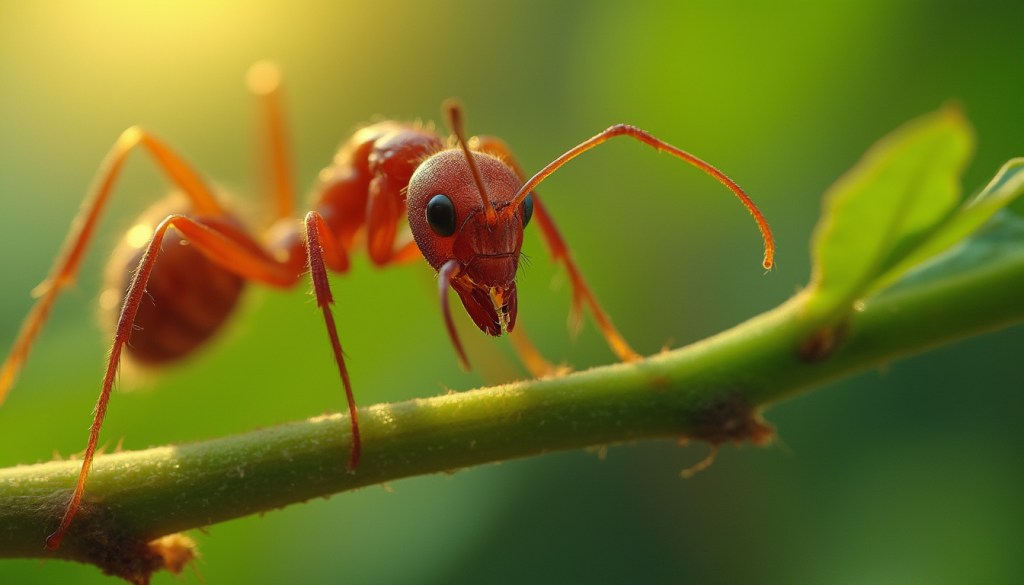
Fire ants can be a common nuisance in South Florida’s lawns and gardens. These small, reddish-brown insects are known for their painful stings and aggressive behavior. They build large mounds that disrupt the beauty of our outdoor spaces. Knowing how to spot and manage these pests is key to keeping your lawn and garden thriving. There are three main steps to tackle this issue. First, identify the fire ants by their distinct mounds or their aggressive swarming when disturbed. Second, choose a treatment method that best fits your needs. There are natural options, like boiling water, or chemical treatments found at local stores. Finally, after treatment, maintain regular checks to ensure the ants do not return. Routine care is more effective after treatment. For those needing extra help, Hoffer Pest Solutions offers professional services tailored to your specific situation. Through careful observation and management, your lawn and garden can stay fire ant-free.
Understanding Fire Ants
Fire ants are not just an inconvenience; they pose a real threat to humans and animals. Originating from South America, these ants have adapted well to the warm climate of South Florida. Their colonies can contain thousands of ants, each ready to defend their home with a painful sting. A single fire ant mound can grow quickly, affecting not only the aesthetics of your outdoor area but also the safety of playing children and pets.
Identifying Fire Ants
Identifying fire ants is crucial in the initial stages of dealing with them. Look for the mounds they build. These mounds can be as high as 18 inches and are usually found in open, sunny areas. Disturb the mound, and you will witness their aggressive behavior as they swarm out to protect their nest. Fire ants are reddish-brown and vary in size, typically between 1/8 to 1/4 inch. Their painful sting feels like a burn, hence the name “fire” ants.
Effective Treatment Methods
Once identified, the next step is treatment. Understanding which method suits your situation best is key to success. Here is a comparison of two common treatment methods:
| TREATMENT METHOD | PROS | CONS |
| Boiling Water | Natural, no chemicals. Immediate effect. | May not reach the queen. Requires precision. |
| Chemical Treatments | Highly effective against large colonies. | Potential harm to plants and pets. Requires careful handling. |
For those interested in more information about safe pesticide use, visit the University of Florida’s IFAS Extension. They provide an extensive resource on pest management that can guide you in making informed decisions.
Long-term Prevention
After dealing with the immediate issue, it’s important to keep fire ants from returning. Regular lawn maintenance is key. This includes mowing, removing debris, and keeping an eye out for any new mounds. Consistency in these activities will help deter fire ants from resettling. Consider setting up routine inspections or treatments as needed to catch any new infestations early.
When to Seek Professional Help
While some might prefer handling the issue themselves, others may find professional help beneficial. Professional pest control services can offer more comprehensive solutions, including preventive measures and guaranteed follow-ups. For more detailed guidelines, the EPA’s Safe Pest Control page offers valuable insights into when and how to seek such assistance.
In conclusion, dealing with fire ants in South Florida requires vigilance and a proactive approach. By identifying, treating, and preventing these pests, we can ensure that our lawns and gardens remain safe and beautiful. Whether choosing to tackle the problem personally or with professional help, understanding the nature and behavior of fire ants is the first step to effective management.



 Outing Travel
Leave a comment