Introduction
One of the most rewarding experiences in life is travelling, but there are responsibilities involved. By 2026, eco-friendly travel will be more than just a fad; it will be a necessary means of responsible global exploration. Enjoyment, cultural sensitivity, environmental stewardship, and support for local economies are all balanced in a sustainable travel experience. Every choice you make, from selecting eco-friendly lodging to cutting waste while travelling, adds to a journey that is more meaningful and mindful.
This guide will walk you through useful advice, doable tactics, and creative concepts for organising an eco-friendly trip in 2026.
Select Eco-Friendly Travel Locations
Choosing travel destinations that put an emphasis on responsible tourism and environmental preservation is the cornerstone of sustainable travel. National parks, nature reserves, and eco-lodges are just a few of the eco-tourism projects that many nations currently support. Seek out locations with community-based tourism initiatives or green certifications. For example, Bhutan’s sustainable tourism policies and Costa Rica’s eco-lodges encourage visitors to experience genuine local culture while reducing their environmental impact. Selecting such locations guarantees that your trip will benefit local communities and the environment.
Use Sustainable Transportation Options
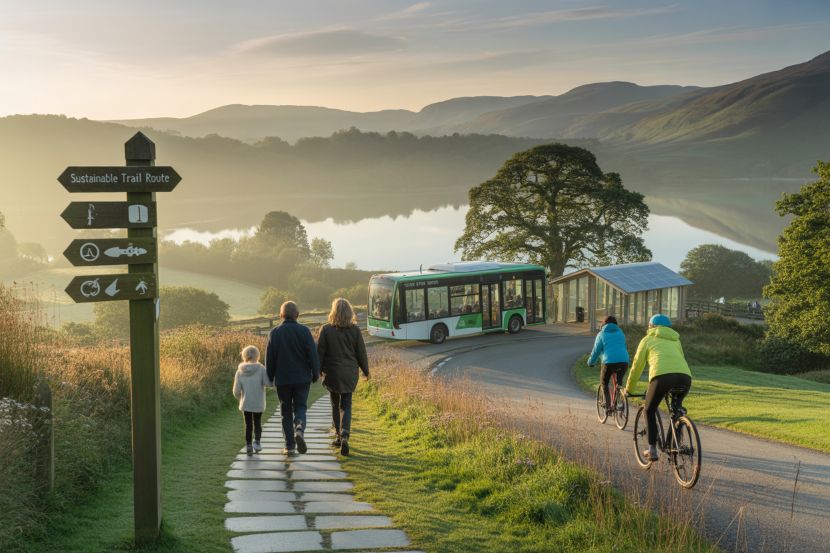
The biggest source of a traveller’s carbon footprint is frequently their mode of transportation. Instead of taking short-haul flights, think about taking the train or bus to reduce the impact. If you must travel, choose airlines with fuel-efficient fleets or those that take part in carbon offset programs. Make walking, bicycling, or taking public transit your top priorities once you arrive at your destination. This not only lowers emissions but also makes it possible to get closer to nearby communities and undiscovered attractions. Another environmentally friendly choice for both urban and rural locations is to rent an electric car or carpool.
Choose Eco-Friendly Lodging
When it comes to sustainable travel, where you stay is crucial. Look for lodgings that prioritise sustainable material sourcing, waste minimisation, water conservation, and energy efficiency. The best options are eco-lodges, boutique hotels with green certifications, or even hostels that use less energy. These establishments frequently incorporate regional architecture and culture, offering a distinctive experience while reducing their negative effects on the environment. Encouraging sustainable lodging encourages the global hospitality sector to embrace more environmentally friendly practices.
Cut Down on Waste and Pack Sensibly
One of the most important aspects of sustainable travel is waste reduction. Bring a reusable shopping bag, utensils, and a water bottle to help you avoid single-use plastics. To cut down on extra luggage and make sure your wardrobe selections are adaptable, bring lightweight, multipurpose items. To preserve regional ecosystems, use eco-friendly sunscreen and biodegradable toiletries. Careful packing practices help you travel more efficiently and lessen your impact on the environment, leaving your destinations clean and preserved for future tourists.
Take Part in Low-Impact Activities
Give environmental and wildlife-friendly activities top priority when organising outings. Excellent low-impact activities include hiking, kayaking, snorkelling with responsible operators, and cultural tours. Steer clear of attractions that harm natural habitats or take advantage of animals. You can enjoy nature without creating a negative impact by adhering to the “leave no trace” philosophy. Small things like avoiding plastic mementoes and staying on designated trails help protect the environment.
Consume and Drink Sensibly
Food choices significantly impact sustainability. Choose seasonal, locally sourced foods whenever you can, and cut back on meat consumption because plant-based meals typically have a smaller environmental impact. In addition to helping the environment, patronising organic markets and farm-to-table eateries offers genuine, fresh food experiences. Using reusable bottles to stay hydrated and steering clear of bottled water whenever you can helps cut down on plastic waste.
Arrange Activities for Carbon Offset
Certain emissions cannot be avoided, especially when travelling by air, even with meticulous planning. One responsible way to lessen the impact of your travel is to take part in carbon offset programs. Your carbon footprint can be offset by making donations to community development initiatives, renewable energy projects, or reforestation projects. Nowadays, a lot of airlines and travel websites provide carbon offset choices when making reservations.
Conclusion
In 2026, organising a sustainable trip calls for careful consideration, deliberate choices, and a dedication to reducing your impact. You can travel responsibly by selecting eco-friendly locations, utilising sustainable modes of transportation, lodging in eco-friendly establishments, cutting back on waste, helping out local communities, taking part in low-impact activities, and engaging in mindful travel. In addition to empowering communities and preserving the environment, sustainable travel produces richer, more fulfilling experiences.
�� Trusted SEO Growth Partner ��
Boost Your Website’s Visibility with SEOPoplink!
Looking to enhance your SEO strategy and drive organic traffic? SEOPoplink specializes in high-quality guest posting services that help your website rank higher on search engines. With expert placements on authoritative sites, SEOPoplink ensures your content reaches the right audience. Ready to grow your online presence? Get in touch with SEOPoplink today!


 Outing Travel
Leave a comment